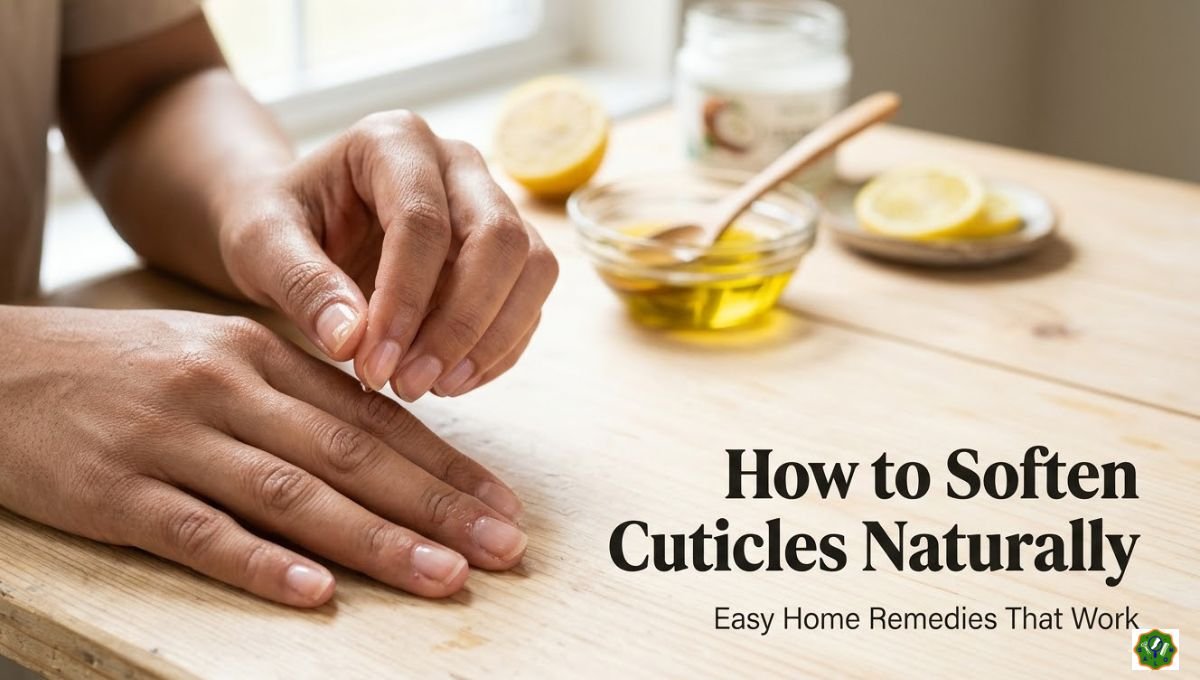
Dry, rough, and overgrown cuticles are something most people deal with but rarely know how to properly fix. You might push them back, pick at them, or just ignore them — but none of that gives you the soft, clean nail look you actually want. The great news is that learning how to soften cuticles naturally is much easier than you think, and you do not need expensive salon products to do it.
Everything you need is probably already sitting in your kitchen or bathroom cabinet. With just a few simple habits and natural ingredients, you can keep your cuticles soft, smooth, and healthy all year round — no salon visit required.
What Are Cuticles and Why Do They Get Hard?
Before jumping into the remedies, it helps to understand what cuticles actually are and why they become dry and stiff in the first place.
Cuticles are the thin layer of skin sitting right at the base of your nail, where the nail plate meets the skin of your finger. Their job is actually very important — they act as a natural seal that protects the area between your nail and skin from bacteria, dirt, and infection. So while they might look like just extra skin, they are doing real work for your nail health.
Cuticles become dry and hard for several common reasons. Frequent hand washing strips away the skin’s natural oils. Using harsh soaps, hand sanitizers, and cleaning products dries out the skin around your nails quickly. Cold weather and low humidity pull moisture from the skin. Nail polish remover, especially acetone-based formulas, is one of the most drying things you can put near your cuticles. All of these factors combined leave the skin at the base of your nails tough, cracked, and sometimes even painful.
The solution is consistent moisture — and natural ingredients deliver that moisture gently and effectively.
How to Soften Cuticles Naturally — Best Methods at Home
Warm Water Soak
The simplest place to start is also one of the most effective. A warm water soak loosens the skin around your nails and prepares your cuticles to absorb any oil or treatment you apply afterward.
Fill a small bowl with comfortably warm water. Soak your fingertips for five to ten minutes. You can add a few drops of gentle soap or a little olive oil to the water to boost the softening effect. After soaking, pat your hands dry gently and immediately apply a moisturizing oil while the skin is still slightly warm and open.
This is best done right after a shower, since your skin is already softened from the warm water and steam. It allows any oil or treatment you apply to absorb much more deeply.
Olive Oil Soak
Olive oil is one of the oldest and most reliable natural remedies for dry skin and hard cuticles. It is rich in vitamin E and healthy fatty acids that deeply nourish the skin and help replenish the natural oils that everyday activities strip away.
Warm a small amount of olive oil in a bowl — it should be comfortably warm, not hot. Soak just your fingertips in the oil for five to ten minutes. After soaking, do not wash the oil off. Instead, wipe away any excess with a soft cloth and massage the rest gently into your cuticles and the skin around your nails.
Done regularly — even just two to three times a week — this makes a noticeable difference in how soft and healthy your cuticles feel. It also helps strengthen brittle nails over time.
Coconut Oil Massage
Coconut oil is a natural emollient, which means it softens and smooths skin by creating a protective barrier that locks moisture in. It absorbs into the skin well and works quickly, making it one of the best overnight treatments for hard cuticles.
Before going to bed, scoop a small amount of coconut oil and warm it between your fingers. Massage it gently into each cuticle in small circular motions. Leave it on overnight and let it do its work while you sleep. In the morning, your cuticles will feel noticeably softer and more pliable.
You can also mix coconut oil with a few drops of lavender essential oil for a more soothing treatment that also smells wonderful.
Jojoba and Almond Oil Blend
A blend of jojoba oil and sweet almond oil is one of the most nourishing things you can put on your cuticles. Jojoba oil is very similar to the skin’s natural oil, which means it absorbs quickly without feeling greasy. Almond oil is loaded with vitamin E and fatty acids that soften and strengthen the skin around your nails.
Mix equal parts of both oils in a small dropper bottle and keep it near your sink or on your desk. Apply a drop or two to each cuticle and massage it in gently. You can use this blend daily — it is lightweight enough that it will not leave your fingers feeling oily, and it absorbs in just a few minutes.
This DIY blend works just as well as most commercial cuticle oils and costs a fraction of the price.
Honey and Lemon Treatment
Honey is a natural humectant, which means it draws moisture from the air and holds it against the skin. Lemon juice is a gentle natural exfoliant that helps remove dead, dry skin from around the cuticle. Together, they make a simple but effective softening treatment.
Mix one teaspoon of raw honey with a few drops of fresh lemon juice. Apply the mixture around your cuticles and let it sit for ten to fifteen minutes. Rinse off with warm water and follow up immediately with a moisturizing oil to seal in hydration.
Use this treatment once or twice a week. Avoid using it on cracked or broken skin, as the lemon juice may cause stinging on open areas.
Aloe Vera Gel
Aloe vera is well known for its soothing and healing properties, but it also works beautifully as a cuticle softener. It hydrates the skin without feeling heavy or greasy and absorbs quickly, making it a great option for daytime use.
Apply a small amount of pure aloe vera gel directly to your cuticles and massage it in gently. Leave it on and let it absorb. You can use this every day without any worry of buildup or irritation, even if you have sensitive skin.
Fresh aloe vera from the plant is the most potent option, but a clean store-bought gel with no added alcohol works just as well for regular daily use.
Apple Cider Vinegar Soak
Apple cider vinegar may seem like an unusual choice for cuticle care, but it has properties that help loosen stiff cuticles and make them much easier to push back gently. It also has antimicrobial benefits that keep the area around your nails clean and healthy.
Dilute apple cider vinegar with equal parts water in a small bowl. Soak your fingertips for five to ten minutes. After soaking, gently push your cuticles back with a soft cuticle pusher. Always follow up with a moisturizing oil afterward, since vinegar can be drying on its own if left on the skin.
Use this method once a week as part of your nail care routine rather than as a daily treatment.
Milk and Honey Soak
Milk contains lactic acid, which is a gentle natural exfoliant that removes dead skin cells without being harsh or irritating. Combined with honey’s deep moisturizing effect, this makes for a simple but surprisingly effective cuticle soak.
Mix a small amount of warm milk with a teaspoon of honey in a bowl. Soak your fingertips for ten minutes. Rinse with warm water and pat dry. Follow with your favorite oil or hand cream to lock in all that softness.
This is a great treatment for people with sensitive skin who find stronger natural remedies like lemon or vinegar too harsh.
How to Gently Push Back Softened Cuticles
Once your cuticles are softened using any of the methods above, you can gently push them back to give your nails a cleaner, longer-looking appearance. Always do this after a soak when the skin is at its softest.
Use a rubber-tipped cuticle pusher or a clean orangewood stick. Hold it at a very shallow angle and gently nudge the softened cuticle back toward the base of the nail. Never push aggressively or force the cuticle back when the skin is dry — this causes tearing and damage.
Avoid cutting your cuticles if you can. Cutting removes the protective barrier your cuticles provide and can lead to infection and more aggressive regrowth over time. If you have a small piece of hanging skin that is bothering you, use cuticle nippers to remove only that loose piece — never cut the actual cuticle itself.
Daily Habits That Keep Cuticles Soft
Natural treatments work best when paired with a few simple everyday habits.
Always apply a hand cream or cuticle oil after washing your hands. Every time you wash, you remove some of the skin’s natural moisture. Replacing it right away prevents dryness from building up.
Wear gloves when washing dishes or using cleaning products. Detergents and chemicals are extremely drying and will undo any cuticle care you have done very quickly.
Stay hydrated by drinking enough water throughout the day. Skin health — including the skin around your nails — starts from the inside. Dehydration shows up in dry, flaky cuticles before you might notice it anywhere else.
Avoid picking at your cuticles or peeling the skin around your nails. This causes micro-tears that leave the area raw, sore, and more prone to infection.
In cold or dry weather, increase how often you apply oil or hand cream. Winter especially is when cuticles take the most damage, so a little extra care during those months makes a big difference.
How Often Should You Do These Treatments?
For most people, a light daily application of cuticle oil or hand cream is enough to maintain soft cuticles between deeper treatments. Once or twice a week, do a proper soak followed by gentle pushing and a nourishing oil treatment. If your cuticles are very dry or damaged, you may want to increase this to three times a week until they recover, then scale back to maintenance mode.
Consistency is more important than intensity. Doing a small amount every day will always give better results than one big treatment once a month.
Final Thoughts
Soft, healthy cuticles are not something you need to visit a salon for. With a few natural ingredients and a consistent routine, you can keep the skin around your nails looking clean, smooth, and well-cared-for every single day. Start with one or two of the methods above, find what works best for your skin, and stick with it. Your nails will look noticeably better — and feel much healthier — in just a week or two.