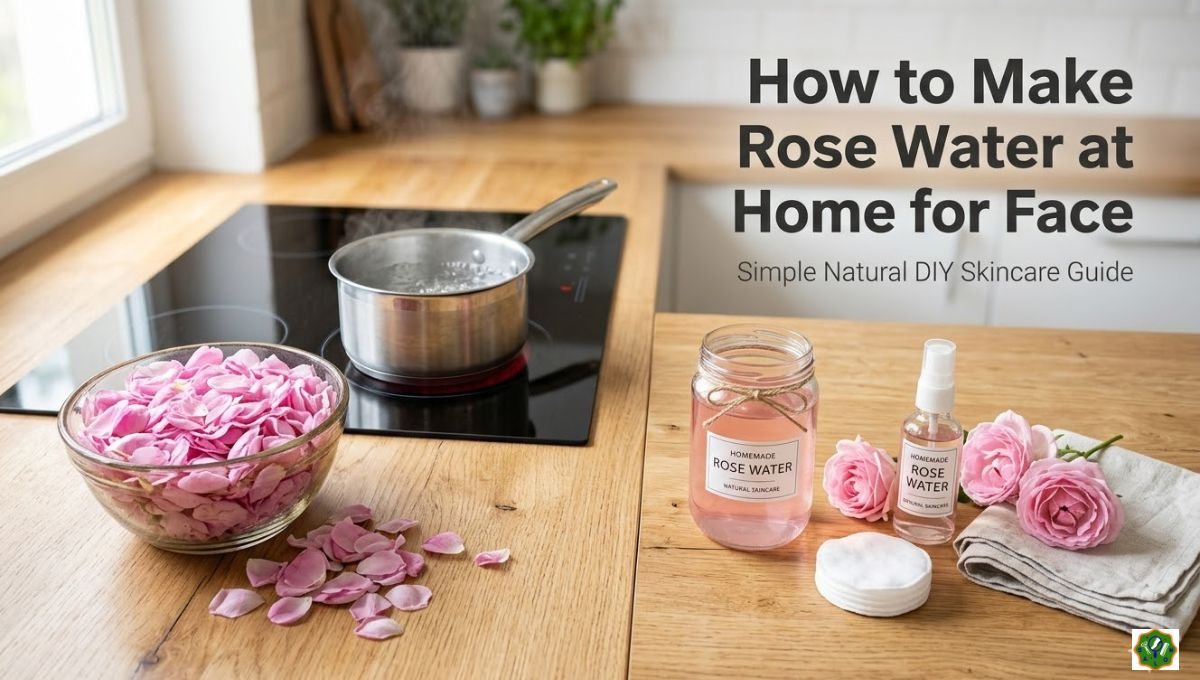
Rose water has been used for thousands of years as a beauty secret, and for very good reason. It is gentle, natural, deeply hydrating, and works beautifully for almost every skin type. If you have been wondering how to make rose water at home for face, you are going to love how simple this actually is. You do not need any fancy equipment, expensive ingredients, or special skills. Just a few roses, some water, and a little time is all it takes.
Store-bought rose water can cost quite a bit, especially if you plan to use it every day as part of your skincare routine. Making it at home gives you a completely fresh, pure, and chemical-free version at a fraction of the cost. Plus, you get to control exactly what goes into it. Let’s walk through everything you need to know — the methods, the benefits, and how to use it properly on your face.
How to Make Rose Water at Home for Face: Everything You Need to Know First
Before getting into the step-by-step process, it is important to choose the right roses. Not all roses work equally well. You want roses that are fragrant and ideally pesticide-free. The best varieties to use are Damask roses (Rosa damascena), Provence roses (Rosa centifolia), or any strongly scented organic rose you can find locally.
Avoid roses from florists or grocery stores that may have been treated with pesticides or chemicals unless you plan to wash them very thoroughly. If you grow roses in your garden without any chemical sprays, those are perfect. The stronger the scent of the rose, the more beneficial compounds it contains and the more effective your rose water will be.
Method 1 — The Simmering Method (Easiest and Most Popular)
This is the simplest method and the one most beginners start with. It requires no special equipment and takes less than 30 minutes from start to finish.
What You Need
- 1 to 2 cups of fresh rose petals (or half a cup of dried rose petals)
- 2 cups of distilled water
- A medium saucepan with a lid
- A fine mesh strainer
- A clean glass jar or spray bottle for storage
Step-by-Step Instructions
Start by pulling the petals gently away from the stems. Rinse them well under cool running water to remove any dirt or residue. Place the clean petals into your saucepan and pour in just enough distilled water to cover them. You do not want to add too much water, as this will dilute your rose water and reduce its scent and effectiveness.
Place the lid on the pan and set the heat to medium-low. Let the water come to a gentle simmer — not a full boil. Allow it to simmer steadily for 20 to 30 minutes. You will know it is ready when the petals have lost most of their color and turned a pale shade of pink or white. The water will take on a soft pink or golden hue.
Remove the pan from heat and let it cool completely. Once cooled, strain the liquid through a fine mesh strainer into a clean glass jar or bowl. Press the petals lightly to squeeze out every last drop of liquid. Your rose water is ready to use.
Method 2 — The Cold Infusion Method (Gentlest Method)
This method takes longer but is considered by many herbalists to produce a more delicate and skin-friendly rose water. It is best done with fresh petals.
Step-by-Step Instructions
Place a generous handful of fresh, clean rose petals into a clean glass jar. Pour room temperature or slightly warm distilled water over the petals until they are fully submerged. Seal the jar with a lid and leave it in a sunny spot on your windowsill for 24 to 48 hours. The sunlight gently draws the beneficial compounds out of the petals and into the water.
After 24 to 48 hours, strain out the petals and transfer your infused rose water into a clean spray bottle. This version has a lighter scent and is especially gentle on sensitive skin.
Method 3 — The Distillation Method (Most Potent)
This method produces the purest and most concentrated rose water, similar to what you find in high-end skincare products. It takes a little more setup but the results are worth it.
Step-by-Step Instructions
Place a small heat-safe bowl in the center of a large pot. Add your rose petals around the bowl inside the pot, then pour distilled water over the petals. Place a larger bowl on top of the small bowl. Put the pot lid on upside down and fill it with ice cubes.
When you heat the pot on low, the water infused with rose essence turns into steam. The ice on the inverted lid causes the steam to condense and drip down into the large bowl sitting in the center. The liquid that collects in that bowl is your distilled rose water — highly concentrated and incredibly pure.
How to Store Your Homemade Rose Water
Storage is just as important as preparation. Always store your rose water in a clean, sterilized glass jar or bottle. Keep it in the refrigerator at all times. When properly refrigerated, homemade rose water made by the simmering or infusion method stays fresh for up to 6 to 8 weeks. Stop using it if the color or scent changes noticeably, as this is a sign that it has gone off.
If you want it to last longer, you can add a very small amount of vodka — about one teaspoon per cup of rose water — which acts as a natural preservative without affecting the skin benefits.
How to Use Rose Water on Your Face
Once your rose water is ready, there are several wonderful ways to use it as part of your daily skincare routine.
As a Face Toner
This is the most popular use. After washing your face, pour a little rose water onto a clean cotton pad and gently swipe it across your face and neck. It removes any remaining traces of dirt and oil, balances your skin’s pH level, and preps your skin perfectly for the moisturizer that follows. Use it morning and night for the best results.
As a Face Mist
Pour your rose water into a small spray bottle and keep it in the fridge. Spray it on your face whenever your skin feels dry, tight, or tired during the day. It instantly refreshes and hydrates your skin. It also works beautifully as a makeup setting spray after you finish getting ready.
As Part of a Face Mask
Mix rose water with ingredients like multani mitti (fuller’s earth), sandalwood powder, or aloe vera gel to create a deeply nourishing face mask. Apply it to your face, leave it on for 15 to 20 minutes, and rinse with cool water. Your skin will feel noticeably softer and more radiant afterward.
For Reducing Redness and Irritation
Rose water has natural anti-inflammatory properties that help calm redness, irritation, sunburn, and mild acne. Simply apply it with a cotton pad to the affected area and let it absorb naturally without rinsing.
Key Benefits of Rose Water for the Face
- It naturally balances the pH level of your skin
- It hydrates and plumps skin without making it greasy
- It soothes redness, irritation, and inflammation
- It helps reduce the appearance of pores over time
- It is gentle enough for sensitive, oily, dry, and combination skin
- It provides antioxidant protection against daily environmental damage
Final Thoughts
Learning how to make rose water at home for face is one of the most rewarding things you can add to your skincare routine. It is pure, affordable, effective, and completely natural. Whether you choose the quick simmering method or the more potent distillation approach, the result is a skin-loving liquid that your face will genuinely benefit from every single day. Start with a small batch, try it as a toner for a week, and you will quickly understand why rose water has remained a beauty essential for centuries.