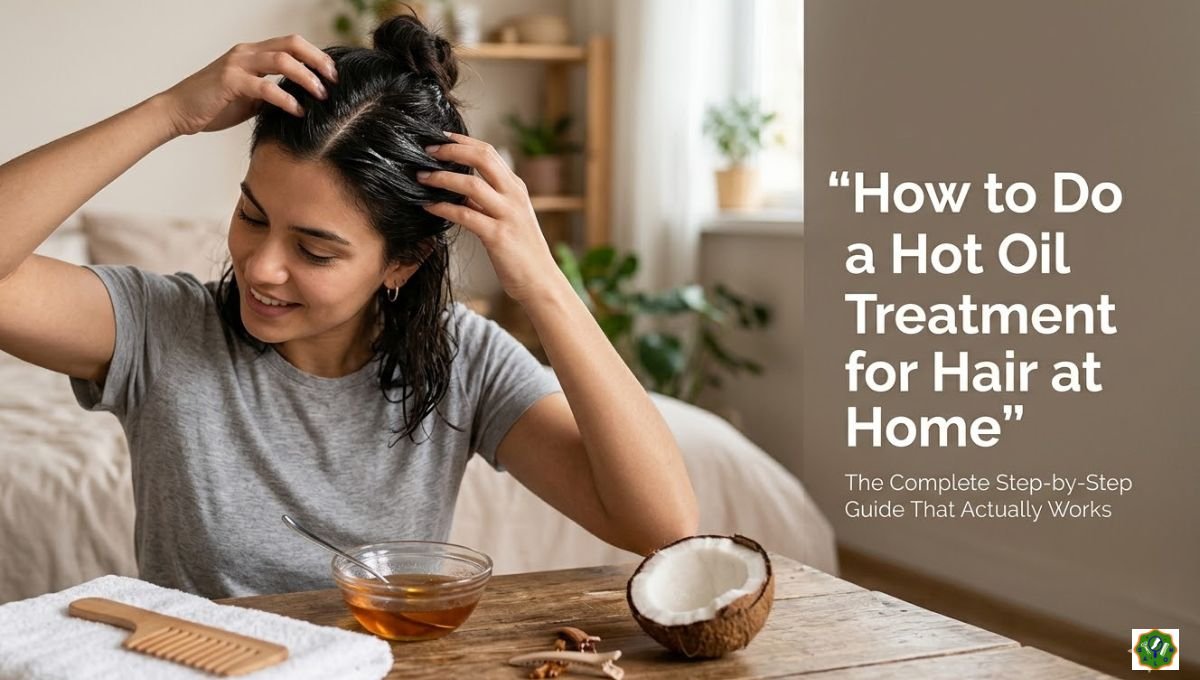
If your hair feels dry, dull, brittle, or just completely out of control, a hot oil treatment might be exactly what it needs. This is one of the oldest and most trusted hair care methods in the world, and for good reason — it works. If you have been wondering how to do a hot oil treatment for hair at home, you will be happy to know that it is surprisingly simple, completely affordable, and gives you results that rival a professional salon treatment.
The best part is that you probably already have everything you need in your kitchen or bathroom. No expensive products, no complicated tools, and no salon appointment needed. Just the right oil, a little warmth, and a simple step-by-step process that your hair will absolutely love.
How to Do a Hot Oil Treatment for Hair at Home: Understanding Why It Works
Before getting into the steps, it is worth understanding what actually happens during a hot oil treatment. The heat gently opens the hair cuticle — the outer layer of each strand — and allows the oil molecules to penetrate deeply into the hair shaft. Once inside, the fatty acids in the oil deliver nutrients, seal in moisture, and strengthen the hair from within. When the cuticle closes back down after the treatment, it locks everything in, leaving your hair noticeably softer, shinier, and stronger.
This treatment works for all hair types — straight, wavy, curly, coily, fine, or thick. It is especially helpful for hair that has been damaged by heat styling, coloring, chemical treatments, or environmental stress.
Step 1: Choose the Right Oil for Your Hair Type
Not all oils work the same way. Choosing the right one based on your specific hair concern makes a big difference in your results.
For Dry and Frizzy Hair
Coconut oil is one of the best choices for dry, frizzy, or damaged hair. It penetrates deeply into the hair shaft and helps reduce protein loss with regular use. Avocado oil is another excellent option — it is rich in healthy fats and vitamins that deliver intense hydration to very dry or coarse hair.
For Hair Growth and Scalp Health
Castor oil is thick and deeply nourishing. It stimulates blood circulation at the scalp level, which supports stronger hair growth and helps reduce hair fall over time. Mixing it with a lighter oil like coconut or almond oil makes it easier to apply and distribute evenly.
For Fine or Oily Hair
Jojoba oil and almond oil are both lightweight and absorb quickly without weighing fine hair down. Jojoba is especially good because it closely resembles the natural oils your scalp produces, making it a very balanced and gentle choice.
For Heat-Damaged or Color-Treated Hair
Argan oil is rich in antioxidants and vitamins that help repair and protect hair that has been exposed to regular heat styling or chemical treatments. It adds shine and smoothness without making hair feel heavy or greasy.
You can also blend two or three oils together to target multiple concerns at the same time. A popular combination is coconut oil mixed with castor oil and a few drops of rosemary essential oil for a deeply nourishing and growth-boosting treatment.
Step 2: Measure and Warm Your Oil
Pour two to three tablespoons of your chosen oil into a small heat-safe bowl or glass. The exact amount depends on your hair length — use more if your hair is long or thick.
To warm the oil, place the bowl inside a larger bowl filled with hot water and let it sit for two to three minutes. This gentle warming method heats the oil evenly without overheating it. If you use a microwave, heat the oil in short bursts of 10 seconds at a time and stir between each burst.
Always test the temperature of the oil on the inside of your wrist before applying it to your scalp. It should feel comfortably warm — not hot. If it feels too hot on your wrist, it is definitely too hot for your scalp. Let it cool slightly and test again.
Step 3: Prepare Your Hair
Start with clean, lightly damp hair. Wash your hair with a gentle shampoo before the treatment so that the oil can penetrate your hair shaft properly rather than sitting on top of product buildup. Gently squeeze out excess water and comb through your hair with a wide-tooth comb to remove all tangles before applying the oil.
Step 4: Apply the Oil Properly
Section your hair into four to six sections using clips or hair ties. This makes application much easier and ensures every strand gets covered evenly.
Start at the scalp and use your fingertips to massage the warm oil directly onto your scalp in gentle circular motions. Spend at least two to three minutes on this massage step — it is not just about distributing the oil, it actively boosts blood circulation to your scalp which supports healthy hair growth.
After massaging the scalp, work the remaining oil down the lengths of your hair all the way to the ends. The ends of your hair are the oldest and most damaged part, so do not skip them. Make sure every section is well coated from root to tip.
Step 5: Cover and Wait
Once the oil is applied, cover your hair with a shower cap. The shower cap traps your natural body heat and creates a warm environment that helps the oil penetrate much more deeply into each strand.
For an even more effective treatment, wrap a warm towel around your shower cap on top. You can heat the towel by running it under hot water and wringing it out, or by warming it in the dryer for a few minutes. The added heat enhances the penetration of the oil significantly.
Leave the treatment on for at least 30 minutes. If your hair is particularly dry or damaged, you can leave it on for up to an hour. Some people even leave it on overnight and wash it out in the morning for an intense deep conditioning effect.
Step 6: Rinse and Wash Out
After your treatment time is up, rinse your hair thoroughly with warm water. Follow with a gentle shampoo to remove the excess oil — this step is important because too much oil left in the hair can make it look limp and greasy. You may need to shampoo twice if you used a heavier oil like castor oil.
After shampooing, apply your regular conditioner, leave it on for a few minutes, and then rinse with cool water. The cool water helps seal the hair cuticle back down, locking in all the moisture and nutrients from the treatment.
Gently squeeze out excess water, wrap your hair in a soft microfiber towel, and let it air dry whenever possible to avoid adding heat damage right after your nourishing treatment.
How Often Should You Do a Hot Oil Treatment?
For most hair types, once every one to two weeks is ideal. If your hair is extremely dry or heavily damaged, you can do it every few days until you notice a clear improvement. If your hair tends to get oily quickly or is fine in texture, once or twice a month is enough to maintain the benefits without weighing your hair down.
Simple DIY Oil Blends to Try at Home
Here are a few ready-to-use combinations based on common hair concerns:
- For deep moisture: Two tablespoons of avocado oil plus one tablespoon of olive oil
- For dandruff and dry scalp: Two tablespoons of jojoba oil plus a few drops of tea tree essential oil
- For hair growth: One tablespoon of castor oil plus one tablespoon of coconut oil plus five drops of rosemary essential oil
- For shine and frizz control: Two tablespoons of argan oil plus one tablespoon of almond oil
Final Thoughts
A hot oil treatment is one of the simplest and most rewarding things you can do for your hair at home. It costs very little, takes less than an hour, and the results speak for themselves — softer, shinier, stronger hair with less frizz and fewer split ends. Start with the basic steps outlined above, pick the right oil for your hair type, and make it a regular part of your weekly routine. Within a few sessions, you will notice a real and lasting difference in how your hair looks and feels every single day.